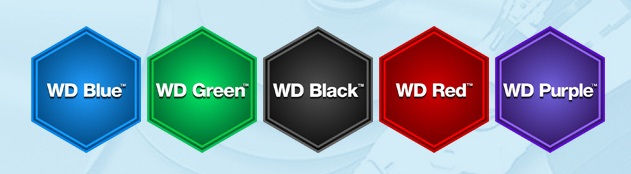
Yesterday I spoke about the different “i” series processors offered by Intel and compared them to various model cars from economy to performance. Today I want to talk about the different types of SATA hard drives you might come across when purchasing a new PC or portable backup drive. I don’t want to talk about brand specifics, but rather what kind of performance you can expect out of the different types of disks. I’m a bit of a Western Digital fan boy so I am going to focus on their hardware, however the information in this post would hold true for just about all hard drive manufactures.
RELATED READING: Choosing the best Intel processor!
The Mechanical Hard Drive
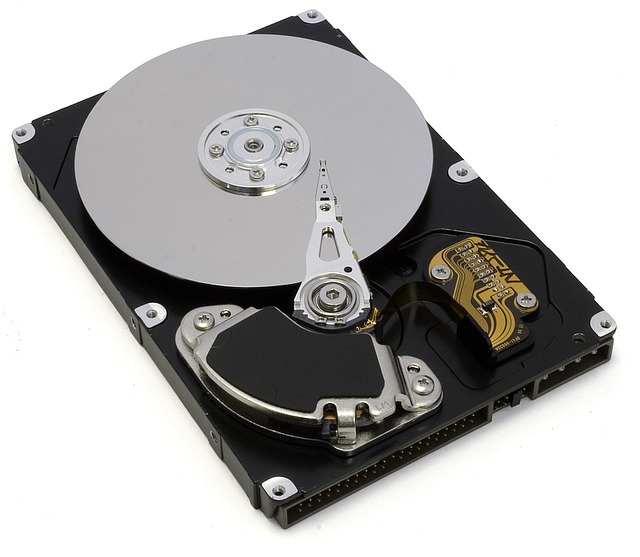 Since its inception in 1956 hard drives have been mostly mechanical devices. Only until recently have SSD (solid state drives) become more main stream and I will talk more about that later. A mechanical hard drive consists of a spinning platter driven by a motor and a magnetic read / write head that can change a microscopic spec on the platter from a positive to negative charge and vice versa. The spinning disk in your computer right now is filled with 0’s and 1’s and when read back from the disk is converted to
 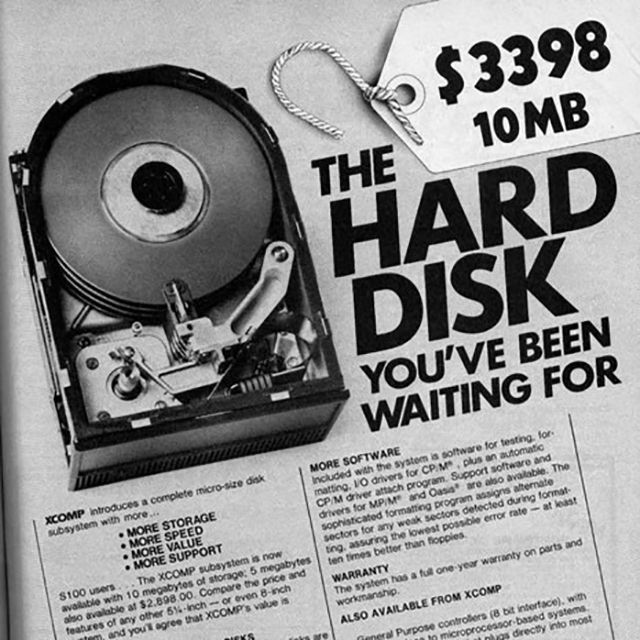 data. Our pictures, videos and word documents are just a sequence + or – magnetic fields. Amazing!
Depending on the type of drive and its specification will determine how fast it can read and write our files. Mechanical spinning disks are rated at rotation speed, how fast the drive can spin the platter. Faster rotation speeds can equate faster data transfer.
 brains of your computer. Most modern CPUs are considered microprocessors, meaning they contain all the circuitry to do the job on a single chip. I’m not going to touch too much on processor theory or history but just understand that all processors are designed to Fetch, Decode, and Execute instructions based on the demands of the programs you are using. How fast and efficiently they complete their tasks all depends on the design and speed of the particular processor.

 smart speaker to the market back in June of 2015, followed by The Google Home in November 2016. Apple has been catching up for almost 2 years. Will their version of the home assistant be superior to the competition? The rumors state that it will come with a screen, face recognition and emphasize sound quality.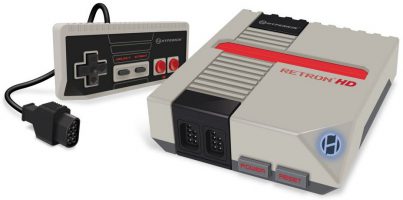
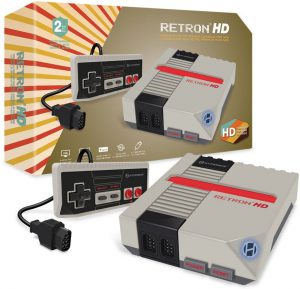

 back on the PC. But disk space was at a premium in the 90’s, due to the limited capacity of hard drives.